
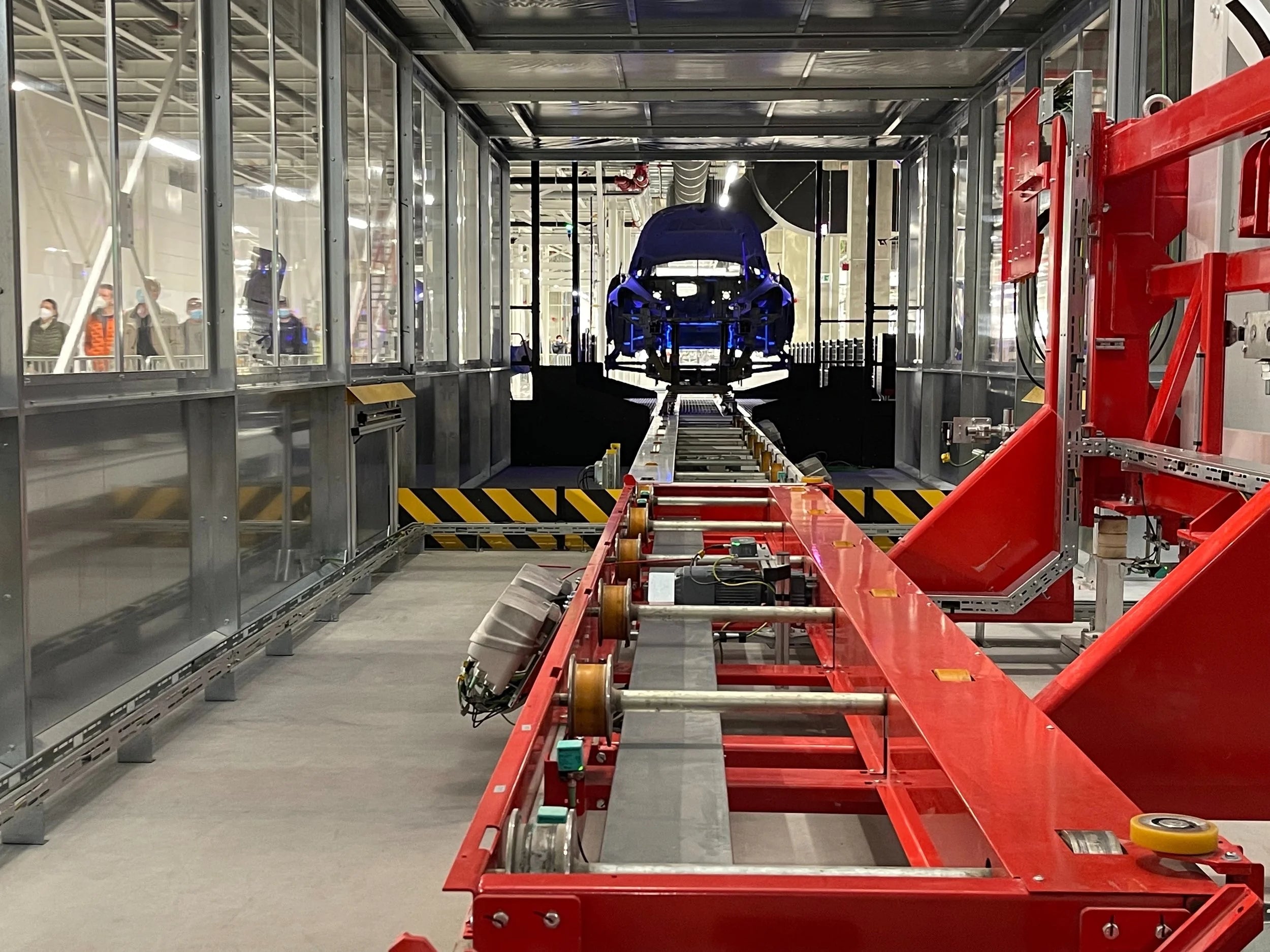
The world of manufacturing is undergoing a major shift as giga-factories become more commonplace. These factories, which are larger than traditional manufacturing plants and use advanced automation and technology, are transforming the industry and creating significant opportunities and challenges for local businesses. In this article, we will explore how the giga-factory era is set to change manufacturing in the world and what it means for small and medium-sized businesses.
Giga-factories are massive industrial facilities that are designed to produce products at an unprecedented scale. They require significant investment, both in terms of capital and technological infrastructure, and are capable of producing goods on a level that was previously unimaginable. The rise of the giga-factory has been driven by advances in technology, particularly in the areas of automation and artificial intelligence.
The impact of giga-factories on local businesses is significant. These massive facilities are often located in remote areas, which can make it difficult for smaller manufacturers to compete. Additionally, giga-factories are designed to be highly efficient, which can mean that they produce products at a lower cost than smaller businesses. This can make it difficult for smaller companies to remain competitive, particularly in industries where price is a key factor in the purchasing decision.
Despite these challenges, there are also significant opportunities for local businesses in the giga-factory era. Giga-factories often rely on a network of smaller manufacturers and suppliers to provide components and services. This means that there are opportunities for small and medium-sized businesses to become suppliers to giga-factories, which can be a lucrative source of revenue. Additionally, the rise of giga-factories is creating new industries and markets, which can provide opportunities for entrepreneurial businesses.
Another significant impact of giga-factories on manufacturing is the way they are changing the nature of work. Giga-factories rely heavily on automation and technology, which means that traditional manufacturing jobs are becoming increasingly scarce. Instead, giga-factories require workers with advanced technical skills, such as engineers, technicians, and data analysts. This means that businesses will need to invest in training and upskilling their workers to ensure they have the skills needed to thrive in the new manufacturing landscape.
The rise of giga-factories is also creating significant environmental challenges. These massive facilities require significant amounts of energy and resources to operate, and can generate large amounts of waste and pollution. As a result, there is a growing focus on sustainability and reducing the environmental impact of giga-factories. This presents an opportunity for businesses to innovate and develop new technologies and processes that are more environmentally friendly.
In conclusion, the giga-factory era is set to transform manufacturing in the world, creating significant opportunities and challenges for local businesses. While there are certainly risks associated with the rise of giga-factories, there are also significant opportunities for entrepreneurial businesses that are willing to adapt and innovate. By embracing new technologies and investing in upskilling their workers, businesses can position themselves to thrive in the giga-factory era and take advantage of the opportunities that it presents.