
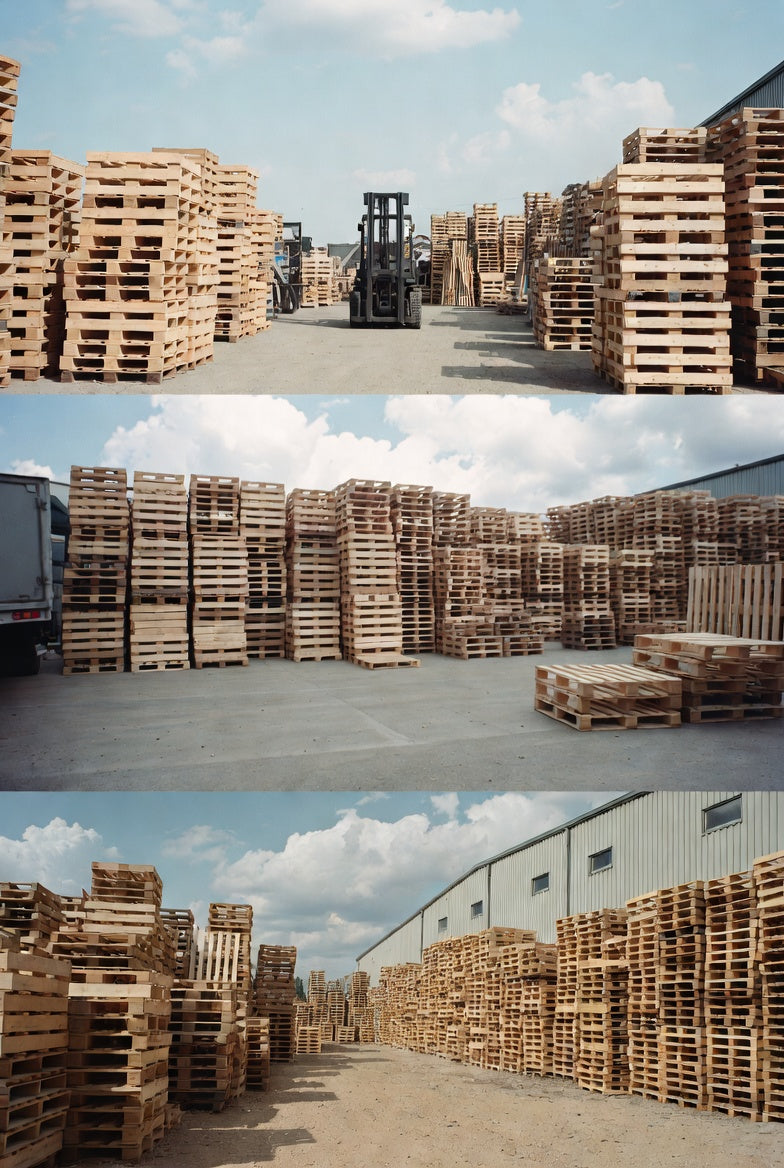
Finding the right pallet supplier can make or break your supply chain. A reliable partner keeps your warehouse moving, your shipments on time, and your costs predictable. The wrong one? Late deliveries, broken boards, and production slowdowns that eat into your bottom line.
After over 40 years of manufacturing and supplying pallets in the Minneapolis–St. Paul metro, we've seen what separates a good pallet supplier from a bad one. Here's what Minnesota businesses should look for — and the red flags to avoid.
Why Your Pallet Supplier Matters More Than You Think
Pallets aren't just wood and nails. They're the foundation of your logistics operation. A single broken pallet can damage product, delay a shipment, or create a safety hazard on the warehouse floor. When you multiply that across hundreds or thousands of pallets per month, supplier quality becomes a business-critical decision.
Yet many businesses default to whoever offers the lowest price per unit — without evaluating whether that supplier can actually deliver consistently.
The 7-Point Pallet Supplier Checklist
Use this checklist when evaluating any pallet supplier in Minnesota or the Twin Cities area:
1. Product Range
Can the supplier provide what you actually need? A strong supplier offers new pallets, used and recycled pallets, custom sizes, and heat-treated (ISPM-15) pallets for export. If you have to split orders across multiple vendors, you're adding complexity and cost.
2. Local Presence and Delivery Speed
Proximity matters. A supplier based in the Twin Cities metro can deliver same-day or next-day — critical when demand spikes or you run short unexpectedly. Ask about their delivery area, fleet size, and typical lead times. National brokers may quote competitive prices but struggle with turnaround.
3. Consistency and Quality Control
Every pallet that arrives at your dock should meet the grade you ordered. Ask potential suppliers how they sort and inspect pallets. Do they have standardized grading? What's their process for handling defective units? At Gruber Pallets, every pallet goes through a grading and sorting process before it ships.
4. Pricing Transparency
The cheapest quote isn't always the best deal. Look for transparent pricing with no hidden fees for delivery, restocking, or minimum orders. A reliable supplier will explain exactly what you're paying for and why. Watch out for quotes that seem too low — they often come with quality trade-offs.
5. Pallet Buyback or Recycling Program
Does the supplier buy back used pallets or offer a recycling program? This can significantly reduce your total pallet cost over time and keeps waste out of landfills. A full-service supplier handles both sides of the pallet lifecycle.
6. Industry Experience
How long has the company been in business? Longevity signals reliability — a supplier that's survived market cycles, lumber shortages, and supply chain disruptions has the infrastructure and relationships to weather the next one. Ask for references from customers in your industry.
7. Communication and Responsiveness
When you call or email, do you hear back quickly? Can you reach your rep directly? The biggest complaint businesses have about pallet suppliers is poor communication — especially when orders change or problems arise. Test this during the quoting process. If they're slow to respond before you're a customer, it won't improve after.
Red Flags to Watch For
Walk away — or at least proceed carefully — if you encounter any of these:
- No physical facility you can visit. A supplier without a yard or manufacturing operation may be a broker reselling someone else's product at a markup.
- No clear grading standards. If they can't explain how they define "Grade A" vs. "Grade B," quality will be inconsistent.
- Pressure to sign long-term contracts upfront. A good supplier earns your business month over month.
- No heat-treatment capability. If you ever ship internationally, most countries require ISPM-15 certified pallets (pallets moving between the US and Canada are exempt). A supplier without this limits your options.
- Consistently late deliveries during the quoting phase. If they can't deliver a quote on time, they won't deliver pallets on time.
Why Minnesota Businesses Choose Gruber Pallets
Gruber Pallets has been manufacturing and supplying pallets in Lake Elmo, Minnesota since 1986 — serving the greater Minneapolis–St. Paul area for over 40 years. We're a family-owned operation, not a national chain or a faceless broker.
What that means for your business:
- Full product range: New, used, recycled, custom, and heat-treated pallets — all from one supplier
- Fast local delivery: Based in Lake Elmo, with delivery booked online within 50 miles and quoted by hand farther out
- We buy your pallets back: Our pallet buyback and recycling programs reduce your total cost
- Straight answers: Call (651) 436-1912 or request a quote, and someone who knows pallets follows up
Ready to evaluate your current pallet supplier — or find a better one? Request a free quote and see how Gruber Pallets compares.
Frequently Asked Questions
What should I look for in a pallet supplier?
The most important factors are product range (new, used, custom, heat-treated), local delivery capability, consistent quality grading, transparent pricing, and responsive communication. A supplier with a buyback or recycling program can also reduce your total costs.
How do I know if a pallet supplier is reliable?
Check how long they've been in business, ask for customer references, and visit their facility if possible. A supplier with a physical manufacturing or sorting operation — not just a brokerage — is more likely to deliver consistent quality. Test their responsiveness during the quoting process.
Should I choose a local or national pallet supplier?
For most businesses in the Twin Cities and Minnesota, a local supplier offers clear advantages: faster delivery times, lower shipping costs, easier communication, and the ability to visit the facility. National suppliers may work for multi-location operations but often can't match the turnaround and personal service of a local partner.
How much do pallets cost from a supplier in Minnesota?
Pallet prices vary based on type (new vs. recycled), size, lumber market conditions, and order volume. New standard 48×40 pallets typically range from $10–$25, while recycled pallets cost less. For current pricing, see our pallet pricing guide or request a quote.
What is ISPM-15 and do I need it from my pallet supplier?
ISPM-15 is an international standard requiring wood packaging materials to be heat-treated to prevent pest spread. You need ISPM-15 certified pallets for most international shipments; pallets moving between the US and Canada are exempt. Make sure your supplier has heat-treatment capability and can stamp pallets with the required IPPC mark. Learn more in our heat-treated pallets guide.
Can I switch pallet suppliers without disrupting my operations?
Yes. A good supplier will work with your timeline to ensure a smooth transition. Start by requesting quotes and samples while your current supplier is still delivering. Most businesses transition over 2–4 weeks with no disruption. At Gruber Pallets, we routinely help businesses switch with zero downtime.