
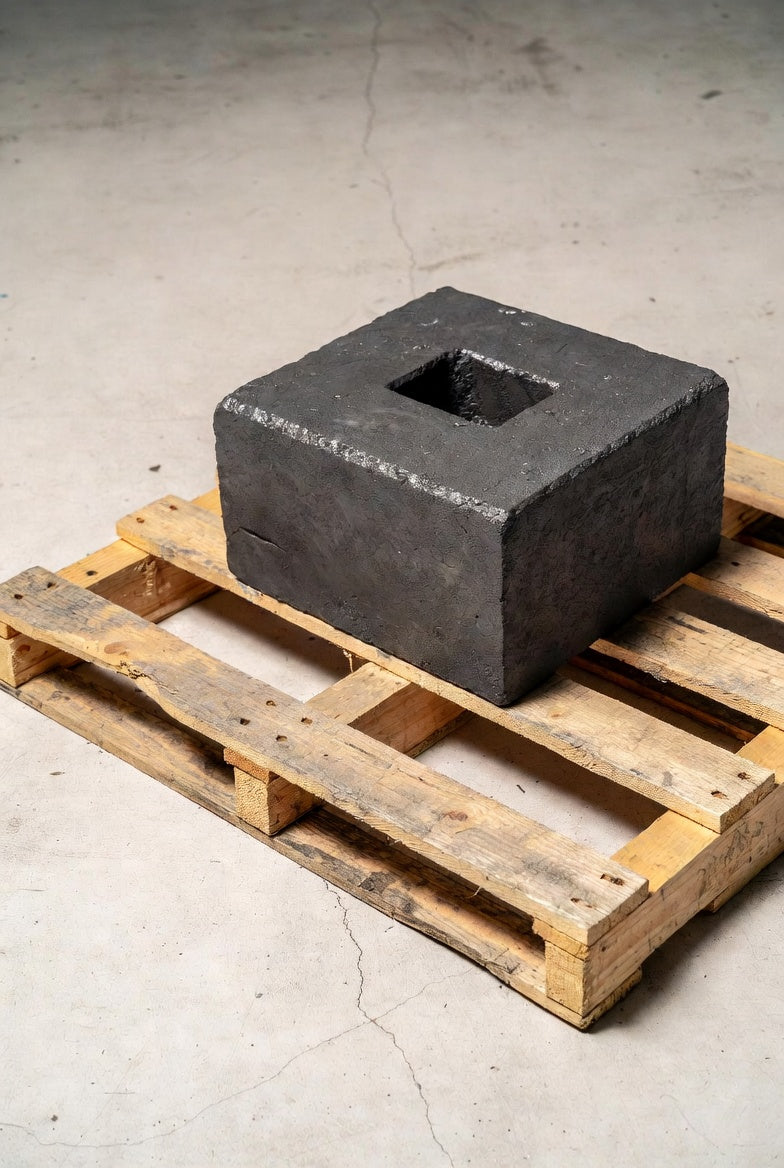
Before you load a single box, you need to know one thing: how much weight can your pallet actually hold? Overloading a pallet leads to collapsed stacks, damaged goods, workplace injuries, and rejected shipments. Whether you ship ten pallets a week or a hundred, understanding pallet weight capacity keeps your product safe and your operation running.
At Gruber Pallets in Lake Elmo, Minnesota, we have built and repaired pallets for over 40 years. Here is everything we have learned about pallet weight limits — and how to choose the right pallet for your load.
What Determines a Pallet's Weight Capacity?
A pallet's load rating depends on several factors working together:
- Wood species — Hardwoods like oak handle more weight than softwoods like pine. Our lumber options guide breaks down the differences.
- Board thickness — Thicker deck boards and stringers mean higher capacity.
- Stringer vs. block design — Block pallets generally support more weight and offer four-way forklift entry.
- Pallet condition — A new pallet holds more than a recycled one with repaired boards. That said, a well-graded recycled pallet still handles standard loads safely.
- Fastener type — Nails, screws, and their placement all affect structural integrity.
- Moisture content — Wet lumber is weaker. Heat-treated pallets are kiln-dried, which improves both strength and compliance.
Need pallets rated for your load?
Tell us your weight requirements and we'll match you with the right pallet — new, recycled, or custom-built. Get a free quote →
Static vs. Dynamic vs. Racking Load
Every pallet has three different weight ratings. Confusing them is one of the most common mistakes in warehouse operations.
Static Load Capacity
This is the maximum weight a pallet can support while sitting flat on the ground or stacked. No movement, no racking. A standard 48×40 GMA pallet typically handles a static load of about 4,600 lbs.
Dynamic Load Capacity
Dynamic load is what the pallet can hold while being moved — on a forklift, pallet jack, or conveyor. Movement introduces stress, so dynamic capacity is always lower than static. A standard GMA pallet supports roughly 2,500 lbs dynamically.
Racking Load Capacity
Racking load applies when a pallet sits on warehouse racking with its ends supported but the middle spanning open air. This is the most demanding scenario. Standard GMA pallets are rated for approximately 2,500 lbs in racking, but this varies significantly by design. If you use pallet racking, check out our racking beginner's guide.
Standard Pallet Weight Capacities
Here are typical weight ratings for the most common pallet types used in Minneapolis and across Minnesota:
48×40 GMA Pallet (New Hardwood)
Static: ~4,600 lbs | Dynamic: ~2,500 lbs | Racking: ~2,500 lbs
48×40 GMA Pallet (Recycled, A-Grade)
Static: ~3,500–4,000 lbs | Dynamic: ~2,000–2,500 lbs | Racking: ~1,800–2,200 lbs
48×40 Block Pallet
Static: ~5,500 lbs | Dynamic: ~2,800 lbs | Racking: ~2,800 lbs
Custom Heavy-Duty Pallet
Static: 5,000–10,000+ lbs | Dynamic: 3,000–5,000 lbs | Racking: Varies by design
Need a pallet rated for a specific load? Our custom pallet solutions team designs pallets to your exact weight and dimension requirements.
Not sure which pallet weight capacity you need?
Our team matches pallets to your exact load requirements — whether you need standard GMA pallets for warehouse distribution or custom heavy-duty pallets for manufacturing. Get a free quote → or call (651) 436-1912.
How Recycled Pallets Compare
A question we hear constantly at our Lake Elmo facility: "Can recycled pallets handle the same weight as new ones?"
The short answer: it depends on the grade. Our grading process sorts every recycled pallet by condition. An A-grade recycled pallet with solid boards and tight fasteners handles standard loads just as well as new — at a lower cost. B-grade pallets work great for lighter loads or one-way shipments.
Read our new vs. recycled comparison for a full breakdown of when each makes sense.
Signs You Are Overloading Your Pallets
Watch for these red flags in your warehouse or on your loading dock:
- Deck boards bowing or cracking under load
- Stringers splitting at nail points
- Forklift operators struggling to lift evenly
- Stacks leaning or shifting during transport
- Product damage that keeps recurring on the same SKUs
If you are seeing these issues, you either need a higher-rated pallet or you need to redistribute weight across more pallets. Either way, get in touch — we can recommend the right solution.
Tips for Maximizing Pallet Load Safety
- Distribute weight evenly — Center heavy items and avoid concentrating weight on one side.
- Do not overhang the edges — Product extending past the pallet edge loses deck support and creates forklift hazards.
- Match the pallet to the job — One-way light shipments do not need a heavy-duty pallet. Heavy manufacturing loads need more than a budget recycled pallet.
- Inspect before loading — Check for cracked boards, missing blocks, and loose nails. A 30-second inspection prevents a costly failure.
- Consider heat-treated pallets for export — ISPM-15 certified pallets are required for most international shipments (pallets moving between the US and Canada are exempt) and are kiln-dried for better structural consistency.
Getting the Right Pallet in Minnesota
If your business is in Minneapolis, St. Paul, or anywhere in the Twin Cities metro, Gruber Pallets delivers new and recycled pallets rated for your exact needs. We have served Minnesota businesses for over 40 years from our facility in Lake Elmo — just minutes from I-94 and I-694.
Not sure what weight capacity you need? Call us at (651) 436-1912 or request a free quote. Tell us what you are shipping, how heavy it is, and whether you need racking support. We will match you with the right pallet — new, recycled, or custom-built.
Frequently Asked Questions
How much weight can a standard pallet hold?
A standard 48×40 GMA wood pallet holds approximately 4,600 lbs in static load (sitting on the ground), 2,500 lbs in dynamic load (being moved by forklift), and 2,500 lbs in racking load (supported on warehouse racking).
What is the difference between static and dynamic pallet load?
Static load is the weight a pallet supports while stationary on a flat surface. Dynamic load is the weight it can handle while being moved by a forklift or pallet jack. Dynamic loads create additional stress, so the rating is always lower.
Can recycled pallets hold as much weight as new pallets?
High-grade recycled pallets (A-grade) can handle standard loads comparable to new pallets. Lower grades may have reduced capacity due to repaired boards or wear. Always check the grade and inspect before loading heavy shipments.
How do I know if I am overloading my pallets?
Warning signs include bowed or cracked deck boards, splitting stringers, leaning stacks, and recurring product damage. If you see these issues, switch to a higher-rated pallet or redistribute weight across more pallets.
Do custom pallets have higher weight limits?
Yes. Custom pallets can be engineered with thicker lumber, additional stringers or blocks, and hardwood species to handle loads of 5,000 to 10,000+ lbs. Contact Gruber Pallets for a custom design consultation.
Where can I get pallets rated for heavy loads in Minnesota?
Gruber Pallets in Lake Elmo, MN builds and supplies new, recycled, and custom pallets for businesses across the Twin Cities and greater Minnesota. Call (651) 436-1912 or visit gruberpallets.com for a free quote.
Related Articles
- Pallet Dimensions Guide: Sizes, Specs & Capacity
- New vs. Recycled Pallets: How to Choose
- Pallet Racking: A Beginner's Guide
- Pallet Shipping Costs Explained
- Heat Treated Pallets in Minnesota
Ready to order pallets rated for your load?
Gruber Pallets supplies new, recycled, and custom pallets to businesses across the Twin Cities and Minnesota. Fast quotes, reliable delivery.
Get a Free Quote →